
Artificial Hand for Handicapped
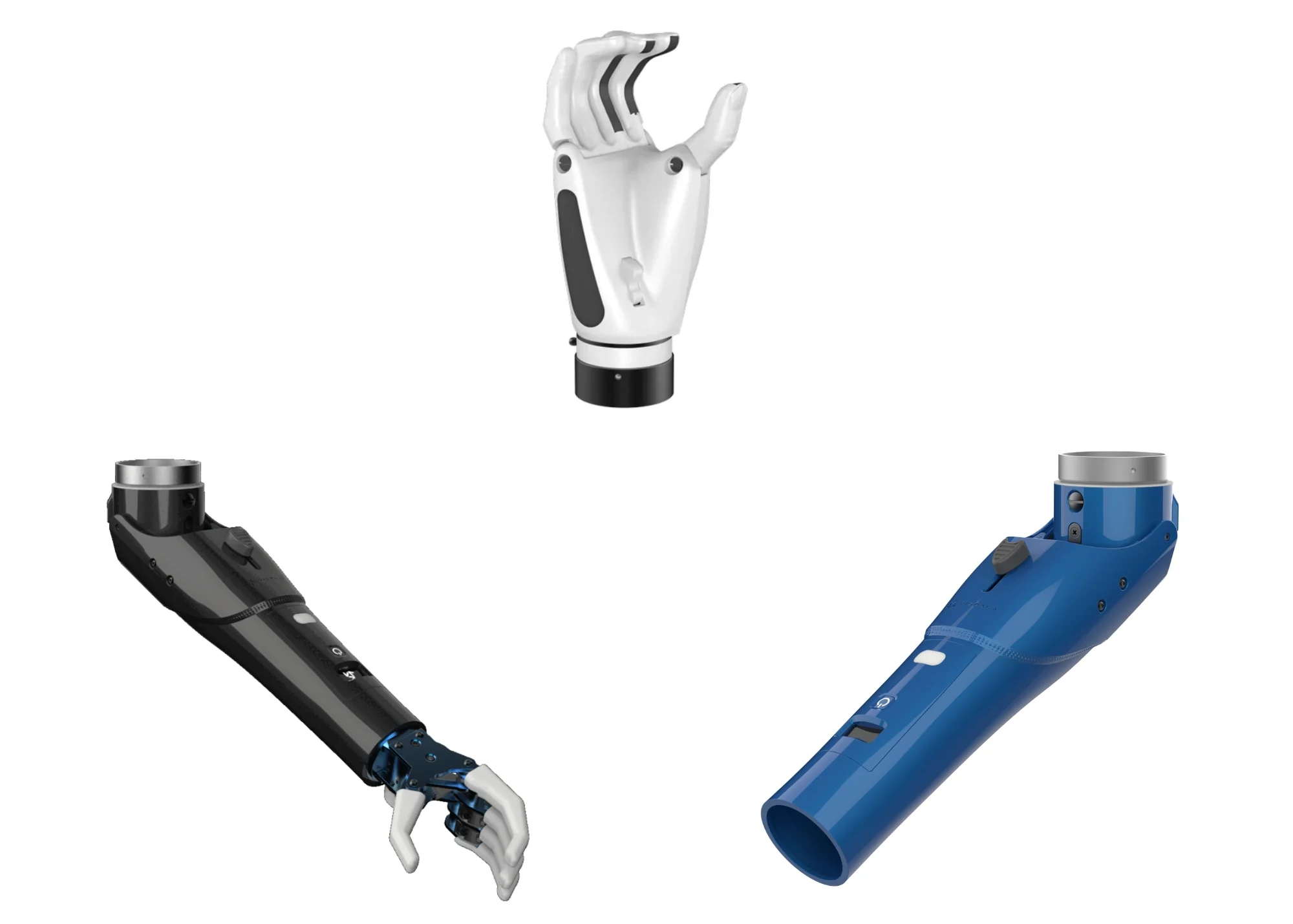
An artificial hand for handicapped people can help replace some of the appearance, movement, or grasping ability lost because of amputation, injury, congenital limb difference, or other conditions. Modern upper limb prosthetics range from simple cosmetic and silicone hands to body-powered and myoelectric hands with electronically controlled movements. The right option depends on the level of limb loss, daily activities, comfort, control ability, budget, and clinical assessment.
For men, women, and children, an artificial hand should be selected according to the individual’s anatomy, age, activity level, functional needs, and long-term goals rather than gender alone.
What is an Artificial Hand?
An artificial hand is a prosthetic device designed to replace part or all of a missing hand or upper limb. Depending on its design, it may provide a natural appearance, assist with basic grasping, or offer multiple controlled hand movements.
An artificial hand can be part of a prosthesis for:
- Partial hand or finger loss
- Wrist-level amputation
- Below-elbow amputation
- Above-elbow amputation
- Shoulder-level limb loss
- Congenital upper-limb differences
Upper-limb prostheses generally include components such as a socket, suspension system, control mechanism, wrist unit and terminal device.
Who Can Use an Artificial Hand?
-
Artificial Hand for Men
Men with partial or complete upper-limb loss may use cosmetic, body-powered, myoelectric or hybrid prostheses. Selection is based on the person’s residual limb, occupation, activities, comfort requirements and desired level of function.
-
Artificial Hand for Women
An artificial hand for women can be designed around the same functional requirements as any other upper-limb prosthesis. Cosmetic appearance, weight, socket comfort, clothing compatibility and everyday activities may be important considerations.
-
Artificial Hand for Children
Children may require a different approach because their bodies are still growing. The prosthesis should be appropriately sized and reviewed regularly by a qualified prosthetic team.
For children, factors such as weight, comfort, durability, activity level and the ability to operate the device should be considered.
Types of Artificial Hands
There are several types of artificial hands, and each uses a different method to provide appearance, movement or control.
-
Cosmetic Hands / Silicone Hands
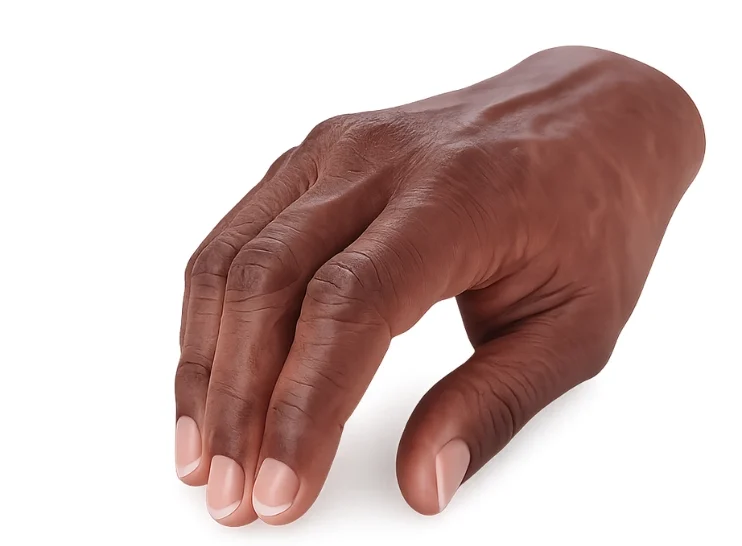
Cosmetic hands are mainly designed to reproduce the appearance of a natural hand. Silicone prostheses hand can be custom-made to match the user’s skin tone, shape and other visual characteristics.
They may be suitable when appearance, lightweight construction and comfort are the main priorities.
Common features:
- Natural-looking appearance
- Lightweight design
- Custom shape and colour
- Comfortable everyday use
- Limited active grasping compared with functional hands
-
Body-Powered Artificial Hands

A body-powered artificial hand uses a cable and harness system. Movement of the user’s body operates the cable and controls the terminal device.
These prostheses can be useful for people who want a mechanically controlled system without relying on rechargeable batteries.
-
Myoelectric Artificial Hands

A myoelectric artificial hand uses electrical signals generated by muscles in the residual limb. Sensors placed against the skin detect these signals and translate them into commands for the prosthetic hand.
Depending on the design, a myoelectric hand may provide different grip patterns and controlled movements.
-
Hybrid Artificial Hands
A hybrid prosthesis combines different control methods. For example, a prosthesis may use myoelectric control for the hand and body-powered control for another component.
Hybrid systems can be considered when the user needs different control methods within the same upper-limb prosthesis.
Myoelectric vs Body-Powered vs Cosmetic/Silicone Hands
| Feature | Cosmetic/Silicone | Body-Powered | Myoelectric |
|---|---|---|---|
| Main purpose | Appearance | Functional control | Electronic functional control |
| Power source | Usually passive | Body movement | Battery |
| Active grasping | Limited | Yes | Yes |
| Appearance | High cosmetic focus | Functional appearance | Functional/cosmetic options |
| Maintenance | Generally simpler | Mechanical maintenance | Electronic and battery maintenance |
| Battery required | No | No | Yes |
| Control method | Passive | Cable and harness | Muscle signals |
There is no single artificial hand that suits every user. Functional needs, residual limb condition, comfort, control, lifestyle and budget should all be considered during selection.