
An Ankle Foot Orthosis (AFO) helps maintain the foot in a more appropriate position during movement. It controls excessive downward movement of the foot, helping reduce toe dragging and making walking safer and more efficient.
close
v
i
s
p
a
l
a
Ankle Foot Orthotic
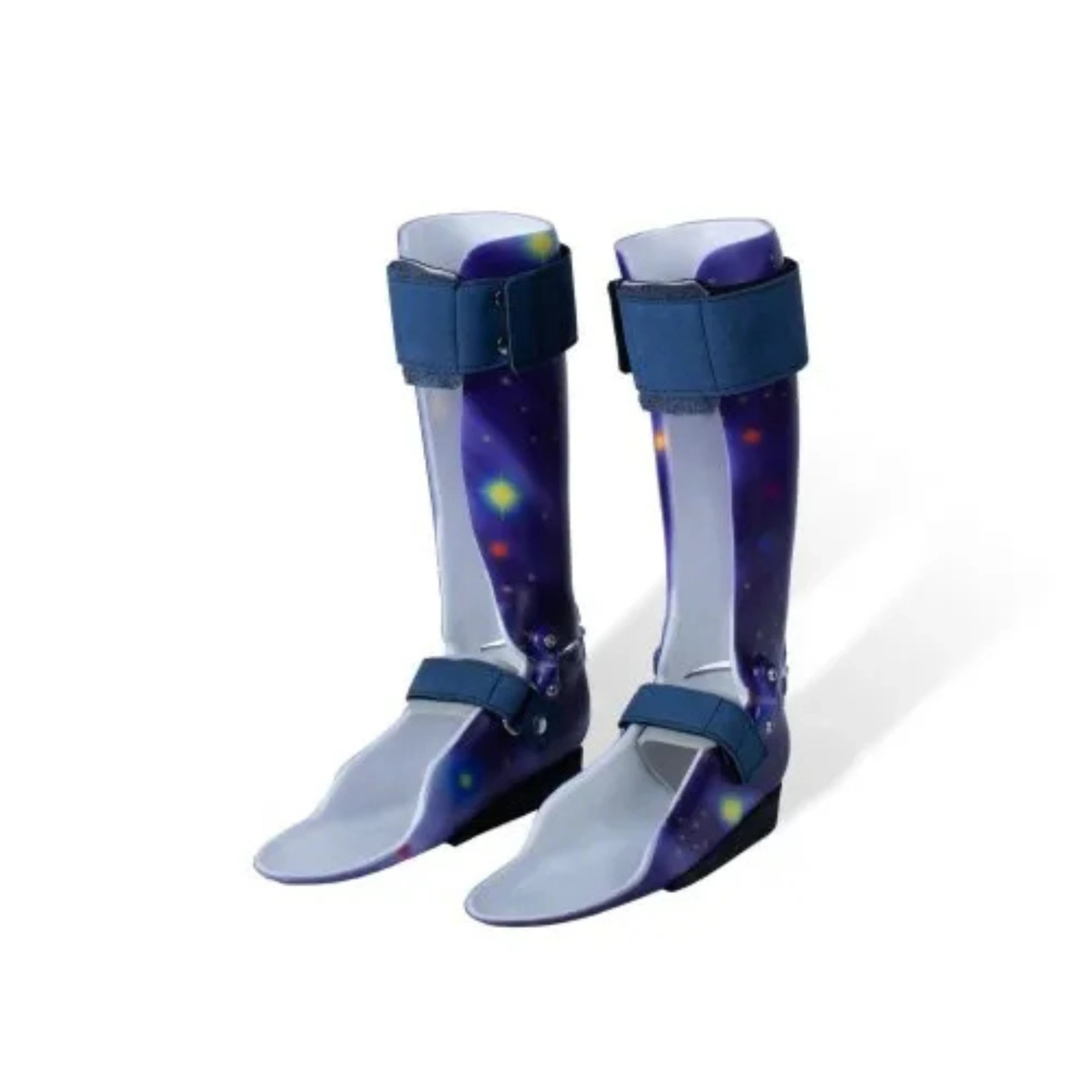
Below Knee Ankle Foot Orthosis
Specification of Below Knee Ankle Foot Orthosis
- Material: Carbon Fiber
- Product Type: Lower Limb Orthosis
- Support Area: Foot, Ankle & Lower Leg
- Fit: Custom Anatomical Fit
- Closure System: Adjustable Velcro Straps
- Colour: Blue
Description of Ankle Foot Orthotic
The Ankle Foot Orthosis (AFO) is a medically designed orthotic device that provides support, stability, and alignment to the ankle and foot for individuals experiencing muscle weakness, nerve injuries, foot drop, or neurological conditions. It helps improve walking efficiency, enhances balance, and reduces the risk of falls by maintaining the foot in an optimal position during movement.
Manufactured from high-quality lightweight thermoplastic or carbon composite materials, the Ankle Foot Orthosis is custom-fabricated to ensure a comfortable fit and effective biomechanical support. Suitable for both pediatric and adult users, it assists in restoring functional mobility while promoting proper gait mechanics for everyday activities.
Key Features of Below Knee Ankle Foot Orthosis
- Provides excellent ankle and foot stability.
- Helps correct and manage foot drop.
- Promotes a smoother and more natural walking pattern.
- Adjustable straps ensure easy application and removal.
- Durable, impact-resistant orthotic materials.
- Improves balance and reduces the risk of falls.
- Easy to clean and maintain.
Applications |
Benefits |
|---|---|
|
|
Other Orthotics that We Supply

iStride – Foot Insole
Reduced Pain and Fatigue
Improved posture and walking pattern with long lasting durability.
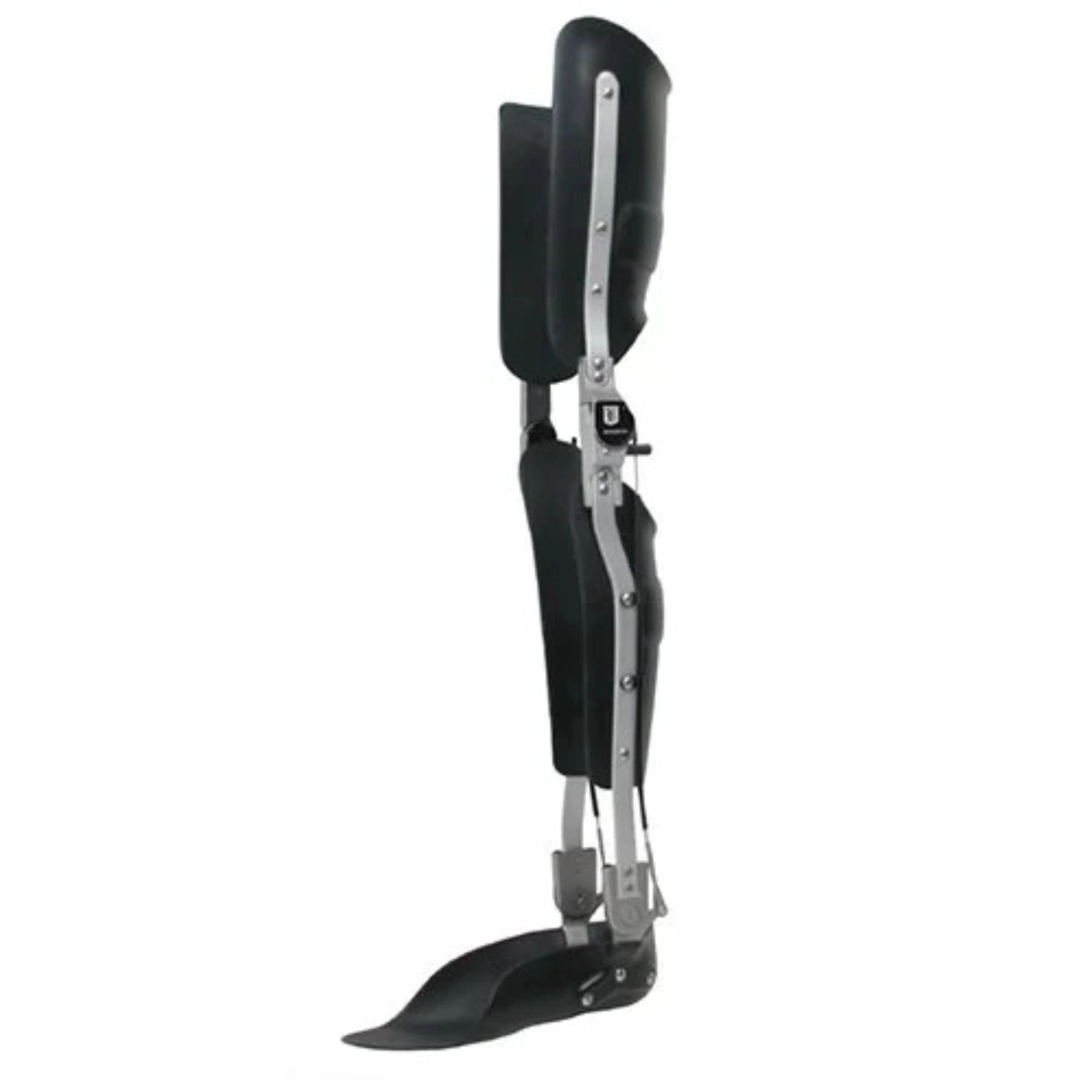
Knee Ankle Foot Orthotic
Support and Improved Mobility
Comprehensive support to the knee, ankle, and foot for enhanced stability.
Foot Care and Diabetic Solution Products that We Supply
Charcot Restraint Orthotic Walker
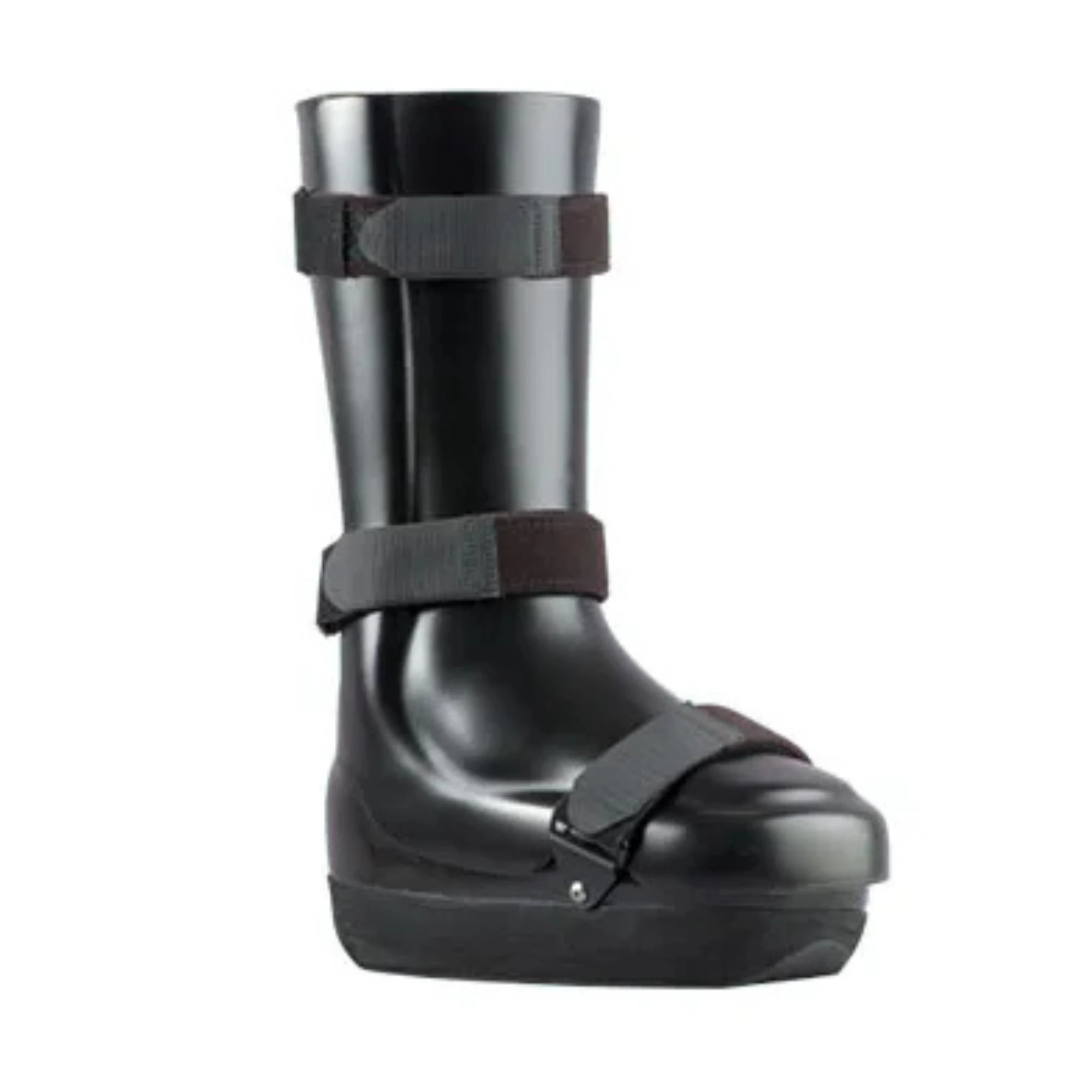
Specification of Charcot Restraint Orthotic Walker design based on individual foot and ankle measurements Full-contact, bival…
Air Walker
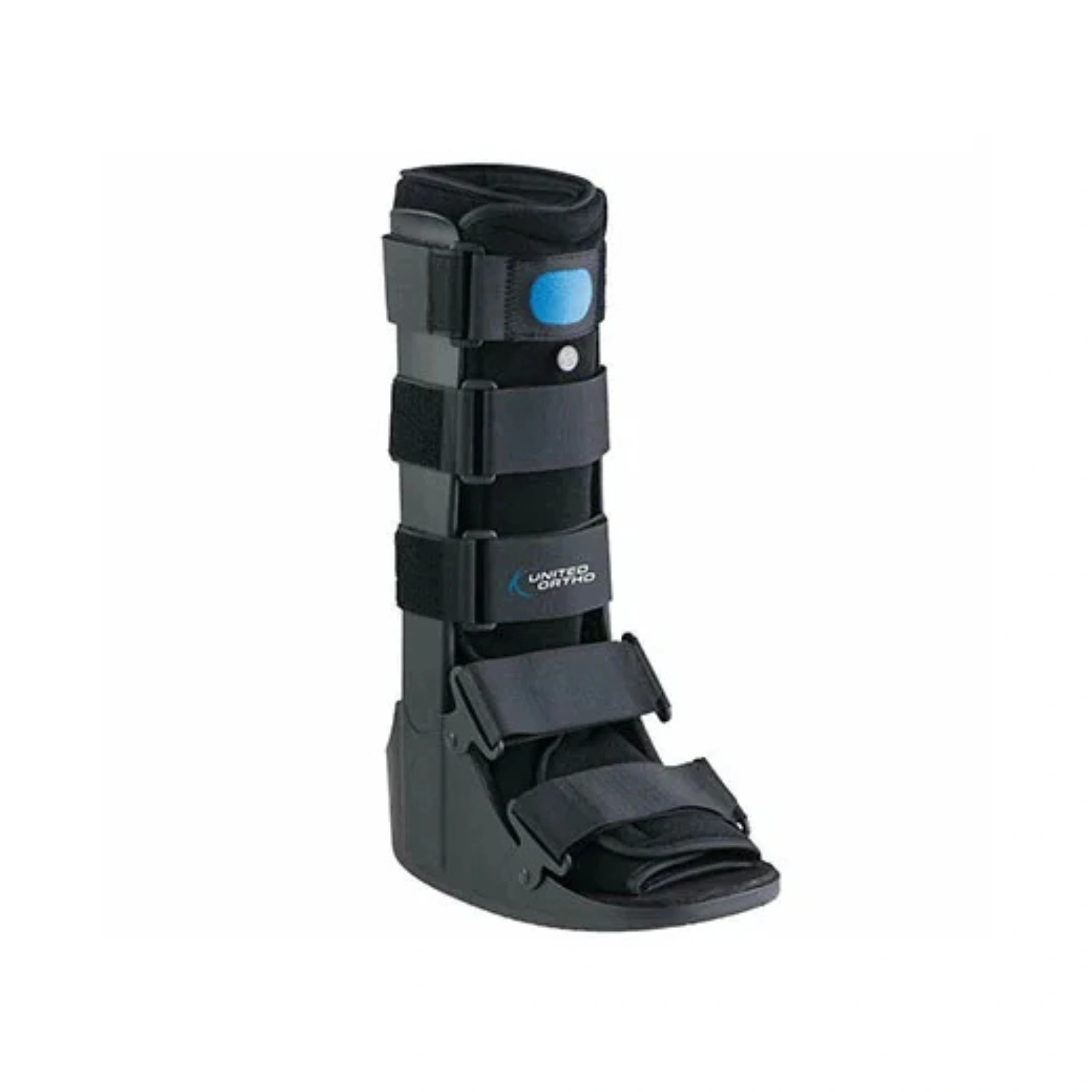
Specification of Air Walker Boot Lightweight, durable molded shell for enhanced protection Integrated air cell system with ad…
Diabetic Neuropathic Footwear
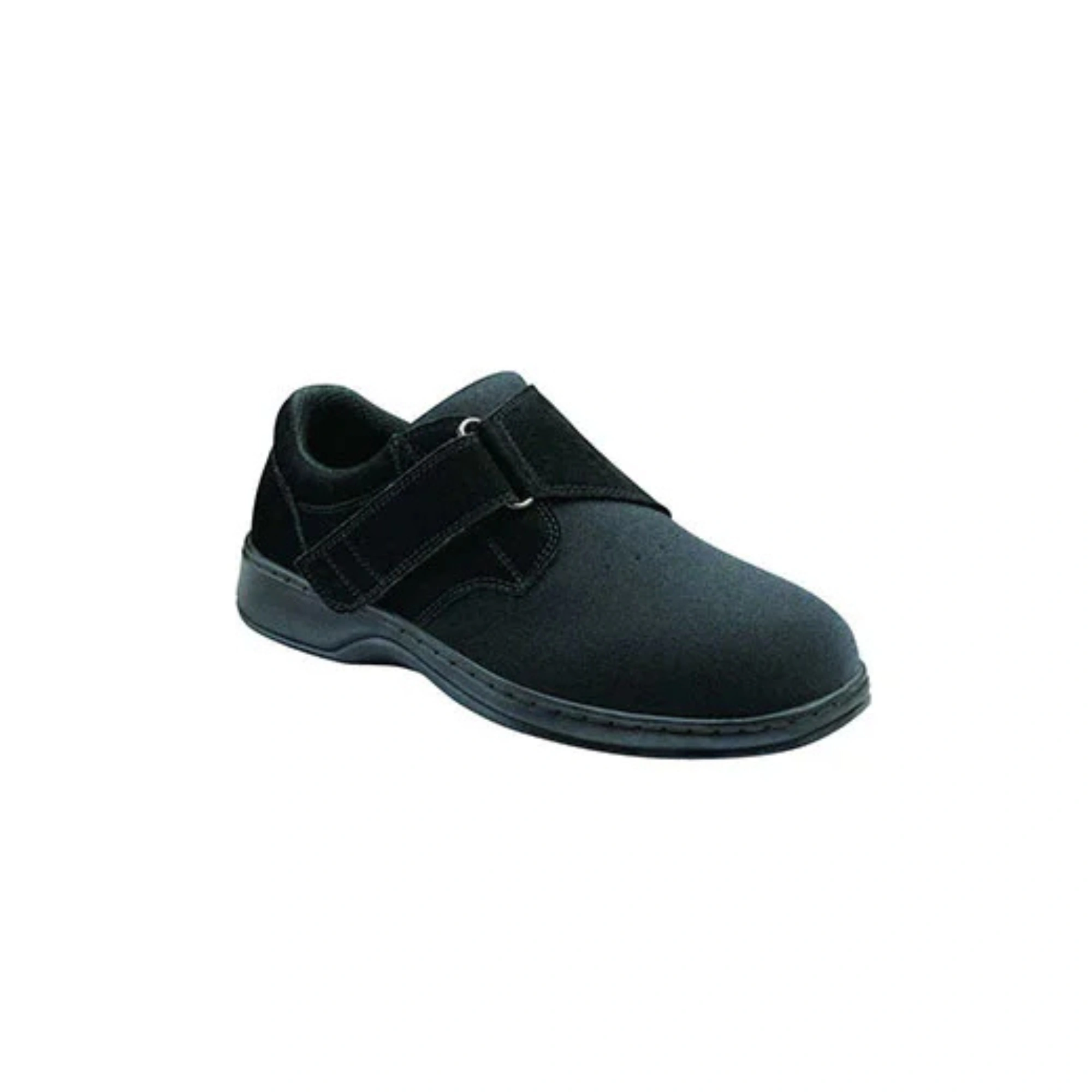
Specification of Diabetic Neuropathic Footwear Designed specifically for diabetic neuropathy and high-risk feet Extra-depth c…
FAQs
-
How does an AFO help prevent the foot from dragging during walking?
-
Can an Ankle Foot Orthotic support someone who has difficulty lifting their toes?
Yes. An Ankle Foot Orthotic is commonly used for people experiencing foot drop, a condition in which weakness affects the ability to lift the front part of the foot. It helps maintain foot positioning during walking and reduces the risk of tripping.
-
Is there a difference between wearing an AFO for foot drop and ankle instability?
Yes. For foot drop, an AFO helps control foot positioning and reduces dragging during walking. For ankle instability, it provides additional support to improve ankle alignment and stability. The orthosis design depends on the individual’s condition and functional requirements.
-
Can children with cerebral palsy use a custom ankle foot orthosis?
Yes. AFOs can be prescribed for children with cerebral palsy to support ankle and foot positioning, improve walking mechanics, and assist with functional mobility. The design and fit should be determined according to the child’s age, growth, and clinical needs.
-
How does a carbon fibre AFO support everyday walking?
Carbon fibre offers a lightweight and strong material option for orthotic construction. It can provide structural support while keeping the device relatively lightweight, helping users manage everyday walking activities more comfortably.
-
What should I look for when checking whether an Ankle Foot Orthotic fits correctly?
An appropriately fitted Ankle Foot Orthotic should provide stable foot and ankle support without causing excessive pressure, rubbing, or discomfort. Its straps should secure the device properly, and the foot should remain appropriately positioned during standing and walking.
-
Can an AFO help reduce the risk of falling due to neurological walking difficulties?
An AFO can help improve foot positioning, ankle stability, and walking mechanics in individuals with certain neurological conditions. By reducing foot dragging and improving stability, it may help lower the risk of trips and falls.
-
Does an ankle foot orthosis need to be replaced when the user's foot condition changes?
It may need adjustment or replacement if the user’s physical condition, foot alignment, body measurements, or functional requirements change. Periodic clinical assessments help determine whether the existing AFO continues to provide appropriate support.
-
How do adjustable straps improve the everyday use of an AFO?
Adjustable Velcro straps help secure the orthosis around the lower leg and foot. They make putting on and removing the device easier while helping maintain a stable fit during daily activities.
-
Can an Ankle Foot Orthotic be used for both neurological conditions and ankle injuries?
Yes. Ankle Foot Orthotics may be prescribed for different conditions, including foot drop, cerebral palsy, muscular dystrophy, neurological gait disorders, and post-traumatic ankle instability. The appropriate design depends on the individual’s assessment.